
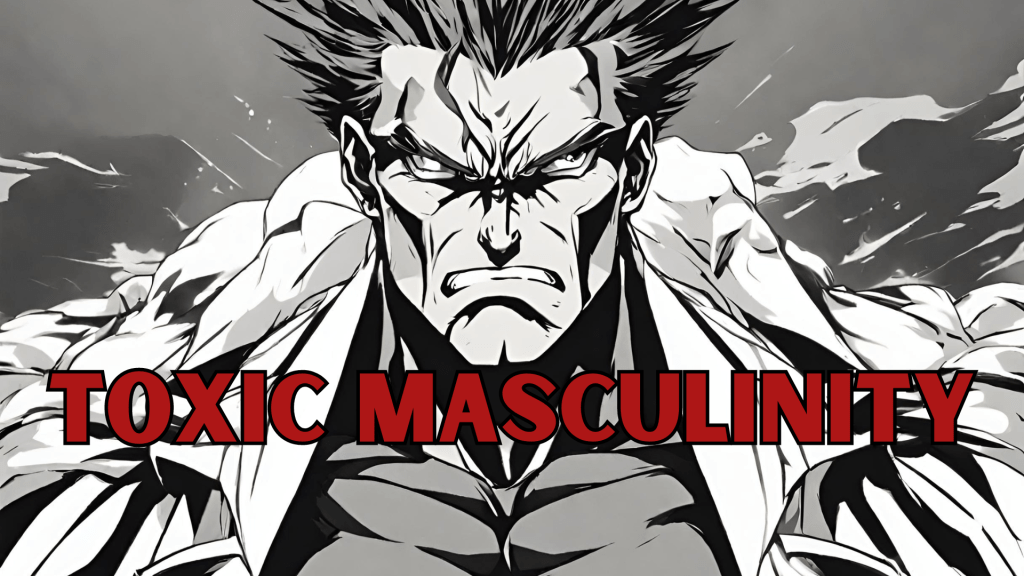
Anime, with its rich storytelling and visually captivating animation, has become a global phenomenon. It has the power to transport us to fantastical worlds and evoke a wide range of emotions. However, beneath the surface of this beloved medium lies a prevalent issue that often goes unnoticed – toxic masculinity.
Toxic masculinity, characterized by harmful gender stereotypes and negative portrayals of males, is not limited to real-world settings. It finds its way into the narratives and characters of popular anime, often influencing viewers’ perceptions of masculinity and perpetuating harmful ideas about gender roles.

This section will delve into the representation of toxic masculinity in anime, exploring its significance and impact on our collective understanding of gender dynamics. We will examine how anime both challenges and reinforces toxic masculinity, shedding light on the complexities of this issue within the realm of Japanese animation.
Key Takeaways:
- Toxic masculinity is a prevalent issue in anime, shaping viewers’ perceptions of gender roles.
- Anime can challenge and perpetuate toxic masculinity, highlighting the need for critical analysis of its portrayals.
- By exploring toxic masculinity in anime, we can understand its cultural influence and impact on real-life gender dynamics.
- Anime has the potential to redefine masculinity and promote healthier expressions of gender.
- Female empowerment in anime provides a counterbalance to toxic masculinity, showcasing narratives that challenge harmful stereotypes.
Understanding Toxic Masculinity
When it comes to anime, there is no denying the prevalent presence of harmful gender stereotypes and negative male portrayals. These portrayals often perpetuate toxic masculinity, a term used to describe the rigid and harmful expectations placed on men and the negative behaviors associated with them.
Toxic masculinity in anime is evident in the characterization of male protagonists who exhibit aggressive and domineering traits, reinforcing harmful stereotypes about what it means to be a man. These portrayals contribute to the normalization of behaviors such as violence, emotional suppression, and objectification of women.
The negative male portrayal in anime manifests in various ways, from the depiction of hypermasculine and physically imposing characters to the perpetuation of sexist and misogynistic attitudes. These portrayals can have a profound impact on viewers, particularly young audiences who are still in the process of forming their beliefs and values.
“Anime has a long history of reinforcing harmful gender stereotypes and negative male portrayals. It’s important to recognize and critically analyze these portrayals to foster a more inclusive and diverse medium.” – Anime critic, Sakura Tanaka
By understanding toxic masculinity in anime, we can begin to challenge and deconstruct harmful gender stereotypes portrayed in these animated shows. It is crucial to encourage the development of male characters who defy traditional gender norms and promote healthier expressions of masculinity.
Next, we will explore the cultural influence of anime in perpetuating toxic masculinity and delve into the specific tropes and archetypes that contribute to its portrayal.
The Cultural Influence of Anime
Anime has undeniably become a global phenomenon, captivating audiences with its unique storytelling and visually stunning animation. It has permeated popular culture, influencing everything from fashion trends to music and even shaping societal norms. However, amidst the vast array of themes explored in anime, there is a recurring pattern that cannot be ignored: toxic masculinity.
Toxic masculinity in popular anime is a topic that deserves our attention. Japanese animation often portrays male characters embodying harmful masculinity traits such as aggression, dominance, and emotional repression. These portrayals have a profound impact on viewers, shaping their perceptions of gender roles and contributing to the perpetuation of harmful stereotypes.
“Anime, as a medium, holds tremendous cultural significance and influence. Its portrayal of toxic masculinity cannot be underestimated, as it can shape the expectations and behaviors of both young and adult audiences.”
Toxic masculinity in Japanese animation has become deeply ingrained in the fabric of the medium. It has become formulaic, establishing specific tropes and archetypes that reinforce harmful gender norms. The relentless pursuit of power, the objectification of women, and the devaluation of emotions are just some of the prevalent themes that perpetuate harmful masculinity in anime.
It is crucial to understand the cultural influence of anime and the impact it has on societal perceptions. By examining the portrayal of toxic masculinity in popular anime, we can begin to acknowledge the need for change and encourage the creation of healthier representations of masculinity.
The Need for Change
Anime has the power to challenge societal norms and reshape perceptions, making it an ideal platform to address toxic masculinity. By presenting more diverse and nuanced representations of male characters, Japanese animation can promote healthier expressions of masculinity and contribute to a more inclusive and accepting society.
- Breaking the Mold: Some anime series have already demonstrated the potential for change by subverting toxic masculinity tropes. They feature characters who defy traditional gender roles, showcasing vulnerability, empathy, and emotional intelligence as strengths rather than weaknesses.
- Empowering Female Characters: Another way anime can combat toxic masculinity is through the portrayal of strong, independent, and empowered female characters. This not only challenges male-dominated narratives but also provides young viewers with positive role models and encourages gender equality.
- Exploring Healthy Male Relationships: Anime can also contribute to overturning toxic masculinity by depicting healthy male relationships based on respect, communication, and collaboration. By showcasing these positive dynamics, Japanese animation can inspire viewers to develop healthier interpersonal connections in their own lives.
As fans and consumers, we have the power to demand change. By supporting anime that promotes healthy masculinity and challenging harmful stereotypes, we can encourage the industry to create more diverse and inclusive narratives that defy toxic masculinity in Japanese animation.
Toxic Masculinity Tropes in Anime
Anime often perpetuates toxic masculinity through the use of specific tropes and archetypes that reinforce harmful gender stereotypes. These recurring elements play a significant role in shaping the portrayal of masculinity within the medium, influencing the way audiences perceive and understand gender roles.
One common trope is the “emotionally distant and stoic” male character, who suppresses their emotions and rarely displays vulnerability. This archetype reinforces the idea that men must always maintain a tough exterior, suppressing their true feelings and emotions. This perpetuates the harmful notion that expressing vulnerability is a sign of weakness.
Another frequently seen trope is the “overly aggressive and violent” male character, who solves conflicts through physical strength and aggression. This portrayal contributes to the idea that violence and dominance are inherent characteristics of masculinity, promoting a distorted perception of what it means to be a man.
The “womanizer” trope is also prevalent in anime and reinforces toxic masculinity by glorifying promiscuous behavior and objectifying women. These characters often pursue multiple romantic interests without regard for their feelings or consent, perpetuating the notion that a man’s worth is tied to his sexual conquests.
These toxic masculinity tropes not only reflect societal expectations but also contribute to their perpetuation. They shape the way audiences view masculinity and can influence real-life behaviors, especially among impressionable viewers.
The ‘dark and brooding’ protagonist:
Another prevalent trope is the “dark and brooding” protagonist, often a male character who is haunted by a troubled past or burdened with internal conflict. While this trope can add depth to a character, it can also perpetuate the idea that emotions should be bottled up rather than acknowledged and addressed in a healthy manner.
It is important to recognize these toxic masculinity tropes in anime and critically analyze their impact. By challenging and subverting these stereotypes, anime has the potential to reshape societal perceptions of masculinity and promote healthier representations of gender roles.
- Acknowledge the harmful tropes and stereotypes perpetuated in anime.
- Encourage the creation of diverse and complex male characters who challenge toxic masculinity.
- Promote narratives that emphasize emotional intelligence, empathy, and healthy expressions of masculinity.
- Support the inclusion and empowerment of female characters who defy traditional gender roles.
By taking these steps, anime can contribute to a more inclusive and progressive portrayal of masculinity, fostering a healthier understanding of gender roles in both the medium and society as a whole.
Impact on Viewers
Toxic masculinity in anime can have a significant impact on viewers, especially on young audiences who are still forming their perspectives on gender roles. The portrayal of harmful masculinity in animated shows can shape the way individuals perceive masculinity and influence their behaviors and attitudes.
Unhealthy masculinity in animated shows can reinforce negative stereotypes and reinforce the idea that aggression, dominance, and emotional suppression are desirable traits for men. These portrayals can lead to the development of unhealthy masculinity in viewers, perpetuating harmful gender norms and contributing to gender inequality.

“Anime has a powerful influence on its audience, and the portrayal of toxic masculinity can shape their understanding of gender roles. It’s crucial to critically analyze the harmful messages conveyed in animated shows and promote healthier expressions of masculinity.”
Young viewers, in particular, may internalize and imitate the behaviors they see in anime, including the toxic traits exhibited by certain male characters. This can result in a cycle of harmful masculinity being perpetuated and normalized in real life.
The Need for Media Literacy
In order to minimize the negative impact of harmful masculinity in anime, it is essential to promote media literacy among viewers. By cultivating critical thinking skills and encouraging discussion about gender representation, individuals can become more aware of the harmful effects of toxic masculinity.
- Engage in conversations about gender roles and stereotypes in anime.
- Encourage media literacy programs in schools to help young audiences develop a critical understanding of the media they consume.
- Support diverse and inclusive storytelling that challenges traditional notions of masculinity in anime.
By promoting healthier representations of masculinity and encouraging viewers to question and challenge toxic portrayals, we can contribute to a more inclusive and equitable society.
Anime as Social Commentary
Anime has long been regarded as a powerful medium for social commentary, providing a platform to explore and challenge societal norms. When it comes to toxic masculinity in anime, the medium does not shy away from addressing this pervasive issue. Through the portrayal of toxic anime characters, anime offers insightful commentary on the harmful effects of toxic masculinity in real life.
These toxic anime characters embody the negative traits typically associated with toxic masculinity, such as aggression, emotional repression, and a need for dominance. They serve as mirrors, reflecting the flaws and consequences of toxic masculinity back to the audience, encouraging introspection and critical thought.
“Toxic masculinity in anime is often portrayed through complex and multi-dimensional characters. These characters engage with the audience on a deep emotional level, forcing us to question our own beliefs and attitudes towards gender.”
The stories and arcs of these toxic characters often challenge societal norms and expectations surrounding masculinity. They provide a nuanced exploration of the consequences of toxic behavior and the potential for growth and redemption. By presenting these narratives, anime highlights the importance of addressing toxic masculinity and promotes healthier expressions of masculinity.
The visual nature of anime allows for impactful storytelling, where character development and intricate narratives intertwine to present a thought-provoking examination of toxic masculinity. This visual medium not only captivates the audience but also immerses them in the world and struggles of the characters.
Empathy and Reflection
Anime’s ability to evoke empathy and reflection in viewers sets it apart as a unique form of social commentary. The emotional resonance of the stories and the relatability of the characters prompt audiences to question their own beliefs and attitudes towards toxic masculinity.
- Through the exploration of toxic anime characters’ backgrounds, motivations, and struggles, viewers gain insight into the factors that contribute to toxic masculinity.
- Anime challenges viewers to reflect on their own beliefs and behaviors, encouraging them to question societal expectations and norms.
- By presenting these in-depth character studies, anime sparks conversations on toxic masculinity, helping to break the cycle of harmful gender stereotypes.
Anime’s capacity to address toxic masculinity and provide social commentary offers viewers a chance to actively engage with the subject matter, facilitating important discussions and fostering understanding and growth.
Breaking Stereotypes
While anime has been criticized for its negative male portrayal and harmful gender stereotypes, there are instances where the medium breaks free from these conventions and challenges the status quo. These examples showcase characters and narratives that defy expectations and promote healthier expressions of masculinity.
1. Redefining Heroes
In some anime series, male protagonists go against the grain and reject toxic masculinity. These characters often prioritize empathy, compassion, and understanding, highlighting the importance of emotional intelligence. They break away from the traditional macho hero archetype and provide viewers with alternatives to harmful gender stereotypes.
2. Complex Character Arcs
Anime has the power to present multi-dimensional characters with nuanced journeys. By exploring the inner struggles and growth of male characters, anime challenges simplistic notions of masculinity. These character arcs often highlight the vulnerability and flaws of male protagonists, encouraging viewers to reject harmful stereotypes and embrace a more inclusive understanding of masculinity.
“Anime has the potential to break the mold and create narratives that promote healthier expressions of masculinity. By challenging harmful gender stereotypes, it opens up opportunities for viewers to question societal norms and redefine masculinity in a positive way.”
3. Non-Traditional Relationships
Another way anime challenges negative male portrayal is through the representation of non-traditional relationships. By showcasing male friendships rooted in mutual respect, emotional support, and camaraderie, anime demonstrates that masculinity isn’t solely defined by aggression or dominance. These relationships provide a refreshing alternative to toxic masculinity and encourage viewers to rethink their own perceptions of masculinity and male bonding.
4. Defying Expectations
Often, anime surprises audiences by subverting stereotypes and expectations. Male characters may possess traits traditionally associated with femininity, such as sensitivity, creativity, or nurturing qualities. By breaking away from rigid gender roles, anime challenges harmful stereotypes and offers a more diverse and inclusive representation of masculinity.
It is important to acknowledge and celebrate these instances in anime where harmful gender stereotypes are challenged and negative male portrayal is subverted. By doing so, the medium can inspire positive change and contribute to a more progressive and accepting society.
Redefining Masculinity in Anime
In today’s evolving society, it is essential to challenge and redefine traditional notions of masculinity. Anime, with its widespread popularity and influence, has the potential to be at the forefront of this change. By tackling toxic masculinity head-on and exploring alternative portrayals of male characters, certain anime series are paving the way for a more positive and inclusive representation of masculinity.
One such series is Naruto, which features a diverse cast of characters who each embody unique qualities of masculinity. The protagonist, Naruto Uzumaki, initially struggles with feelings of loneliness and externalizes his emotions through brash and impulsive behavior. However, as the series progresses, Naruto learns the importance of empathy, emotional vulnerability, and forming healthy relationships. Through his character development, Naruto challenges the toxic masculinity narrative by demonstrating that true strength lies not in physical prowess alone but in compassion and understanding.
“It’s okay to cry and show weakness. That doesn’t make you any less of a man.”
Another anime that redefines masculinity is My Hero Academia. The series features a diverse range of male characters, each possessing their own unique strengths and weaknesses. Izuku Midoriya, the main character, exhibits traits typically associated with vulnerability and sensitivity, but he proves that these qualities can coexist with heroism and bravery. In a society where toxic masculinity often dominates, My Hero Academia challenges societal norms by showcasing how individuals can excel by embracing their authentic selves.
Through these alternative portrayals of masculinity, anime has the power to reframe the conversation around gender roles, encouraging viewers to question harmful stereotypes and expectations. By presenting well-rounded male characters who exhibit compassion, emotional intelligence, and respect for others, anime can inspire individuals to adopt healthier expressions of masculinity in their own lives. This shift not only benefits male viewers but also promotes inclusivity and gender equality for all.
As anime continues to evolve, it’s crucial that creators and storytellers embrace the responsibility to reshape toxic masculinity representation and challenge societal norms. By doing so, they have an opportunity to shape the perspectives of millions of viewers and contribute to a more equitable and compassionate world.
Female Empowerment in Anime
While toxic masculinity may be pervasive in anime, it is important to recognize the ways in which female characters navigate and overcome these challenges, finding empowerment along the way. Their stories not only serve as a source of inspiration but also promote gender equality in the medium.
“In a world dominated by toxic masculinity, female characters in anime are breaking barriers and defying stereotypes. Their strength, resilience, and determination send a powerful message of empowerment.”
Many anime series showcase female characters who actively challenge or overcome toxic male characters, carving out a space for themselves and promoting a more inclusive narrative. These characters exhibit qualities such as bravery, intelligence, and independence, proving that women can play a significant role in shaping the story and challenging societal norms.
One such example is the iconic character of Motoko Kusanagi from “Ghost in the Shell.” She is a cyborg detective who defies traditional gender roles and demonstrates exceptional intelligence and combat skills. Motoko embodies a powerful feminine presence, highlighting the strength and capabilities of women in a male-dominated world.
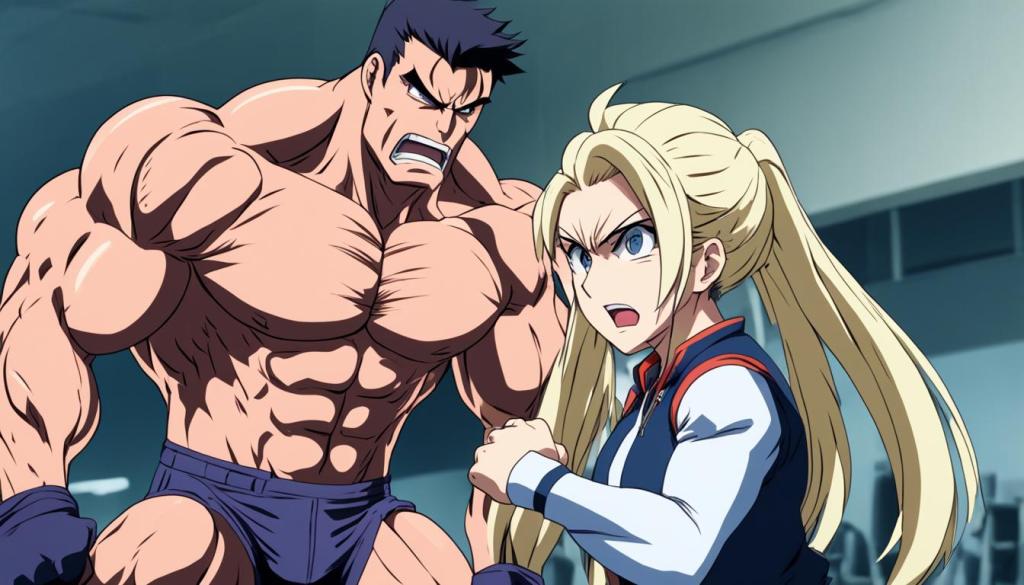
Another notable example is the character of Mikasa Ackerman from “Attack on Titan.” Mikasa’s determination, loyalty, and unmatched skill in combat make her a force to be reckoned with. She consistently challenges toxic male characters and plays a crucial role in protecting those she cares about, showcasing the strength and resilience of women in the face of adversity.
These instances of female empowerment in anime play a vital role in breaking down harmful gender stereotypes and promoting a more inclusive and diverse representation of characters. By showcasing the strength, agency, and accomplishments of female characters, anime creators send a powerful message about the importance of equality and challenging toxic masculinity.
Impact on Real-Life Gender Dynamics
The portrayal of toxic masculinity in anime has the potential to significantly impact real-life gender dynamics. The characters and relationships depicted in Japanese animation can shape societal perceptions and interactions, influencing how individuals perceive and engage with gender roles.
By showcasing toxic male characters and their behaviors, anime can inadvertently reinforce harmful gender stereotypes. These portrayals often depict aggressive, dominating, and emotionally repressed male figures, perpetuating the notion that these traits are desirable or expected in men.
Moreover, the depiction of toxic relationships in anime can normalize harmful dynamics, such as possessiveness, control, and objectification. These portrayals can influence viewers’ expectations and beliefs about what is acceptable or expected in relationships, potentially affecting how individuals navigate real-life interactions.
It is important to acknowledge that while anime can perpetuate toxic masculinity, it can also serve as a platform for challenging and subverting harmful gender norms. Some anime series feature narratives that critique toxic masculinity and promote healthier expressions of masculinity.
The Power of Representation
Representation plays a crucial role in shaping societal norms and perceptions. When anime showcases diverse and positive portrayals of male characters, it has the potential to challenge toxic masculinity and inspire healthier attitudes and behaviors. By promoting empathy, emotional intelligence, and respect for others, these representations can contribute to a more inclusive and equitable society.
Changing the Conversation
Toxic masculinity in anime is not an isolated issue; it is deeply intertwined with larger societal expectations and perceptions of gender. By addressing toxic masculinity in Japanese animation, we can initiate a broader conversation about gender dynamics and promote more positive and inclusive representations.
Creators, producers, and consumers have a collective responsibility to demand and support diverse and nuanced portrayals of masculinity in anime. By encouraging the exploration of alternative character archetypes and narratives that challenge toxic masculinity, we can contribute to a more inclusive and empowering media landscape.
Addressing Toxic Masculinity in the Industry
Efforts within the anime industry to address and challenge toxic masculinity have been gaining momentum. As the negative male portrayal in anime and the effects of toxic masculinity in Japanese animation have become more apparent, there is a growing recognition of the need for change.
In recent years, initiatives aimed at promoting diversity and inclusion in the industry have emerged. These initiatives strive to create a more positive and nuanced portrayal of male characters, breaking away from the harmful stereotypes that perpetuate toxic masculinity. By embracing a more inclusive approach, the anime industry has the power to influence societal perceptions and challenge existing gender norms.
One important aspect of addressing toxic masculinity in anime is the creation of characters that defy stereotypes. By showcasing male characters with diverse personalities, emotions, and expressions, anime can foster healthier images of masculinity. This can help viewers, especially young audiences, to develop a more balanced understanding of gender roles and relationships.
“The anime industry has the potential to redefine the standards of masculinity and promote positive change,” says Aya Takahashi, a prominent anime critic. “By challenging toxic masculinity and offering alternative portrayals of male characters, anime can contribute to a more inclusive and accepting society.”
The efforts to address toxic masculinity in the anime industry also extend to the creators themselves. Many creators are actively seeking to tell stories that challenge toxic masculinity and dismantle harmful gender norms. By breaking away from conventional tropes and exploring complex narratives, they aim to inspire reflection and dialogue among viewers.
It is important to note that addressing toxic masculinity in the anime industry is an ongoing process. While progress has been made, there is still work to be done. The industry continues to face criticism and controversy surrounding its portrayal of male characters. However, the growing awareness of the issue and the dedication of industry professionals and fans provide hope for a future where toxic masculinity is no longer the norm in Japanese animation.
Critical Reception and Controversies
The portrayal of toxic masculinity in anime has sparked a wide range of reactions within the community, leading to both critical reception and controversies. These responses highlight the significance of addressing toxic masculinity and the impact it has on the overall perception of gender roles in Japanese animation.
While some viewers appreciate the nuanced exploration of complex male characters, others criticize the perpetuation of harmful gender stereotypes. The representation of toxic masculinity in anime has become a source of debate and discussion, raising important questions about its influence on societal norms and expectations.
The Role of Critical Reception
The critical reception of anime featuring toxic masculinity is multi-faceted. Some individuals appreciate the realistic complexities of these portrayals and recognize the potential for social commentary and character growth. They argue that exploring toxic masculinity in anime can shed light on the harmful effects of societal pressure and contribute to a broader conversation about gender roles.
Conversely, others argue that these portrayals reinforce negative stereotypes and perpetuate toxic behaviors. They contend that depicting toxic masculinity without proper critique or subversion can further normalize harmful gender dynamics and impede progress towards more inclusive and diverse storytelling.
Controversial Portrayals and Ongoing Debates
Controversies surrounding toxic masculinity representation in anime reflect the varying perspectives within the community. Some works are heavily criticized for glorifying or romanticizing toxic male characters, while others receive praise for challenging and subverting traditional gender expectations.
“Anime has the power to shape our perception of masculinity and femininity. While some series navigate toxic masculinity with sensitivity and offer valuable social commentary, others seem to embrace harmful stereotypes and perpetuate gender inequality. It is crucial for anime creators to be aware of the impact their portrayals have on audiences and strive for more diverse and balanced representations.” – Anime Critic
The ongoing debates surrounding toxic masculinity in anime highlight the need for critical engagement and nuanced discussions. It prompts viewers, creators, and critics to question the intentions behind these portrayals and examine the potential consequences on real-life gender dynamics.
As the anime industry continues to evolve, it is essential to consider the broader implications of toxic masculinity representation. Balancing the exploration of complex male characters with responsible storytelling can contribute to a more inclusive and progressive medium.
- Positive and negative reactions
- Debate on perpetuation of harmful gender stereotypes
- Exploration of complex male characters
- The influence of societal norms and expectations
- Glorification vs. critique of toxic masculinity
- Controversies and ongoing debates
The Future of Masculinity in Anime
As we look forward to the future of anime, it is crucial to consider the portrayal of masculinity and the potential for positive change. The harmful effects of toxic masculinity in anime have been a subject of discussion, prompting a call for healthier and more inclusive portrayals of male characters.
Toxic masculinity in anime perpetuates harmful gender stereotypes and reinforces negative male portrayals. The prevalence of these tropes contributes to the normalization of unhealthy masculinity in animated shows, impacting viewers, particularly young audiences.
However, there is hope on the horizon. The anime industry has the opportunity to challenge toxic masculinity and redefine traditional gender norms through its storytelling. By presenting nuanced and empowering male characters, anime can promote healthier expressions of masculinity and inspire positive change in real-life gender dynamics.
It is essential for anime creators and writers to recognize the influence their work has on shaping societal views. By actively addressing toxic masculinity in Japanese animation, they can play a significant role in promoting diversity, inclusion, and the deconstruction of harmful gender stereotypes.
Moreover, anime has the power to serve as a platform for social commentary and critical reflection. Through the portrayal of complex male characters and their journeys, anime can challenge the expectations and norms of toxic masculinity, opening up discussions about gender equality and self-identity.
“The future of masculinity in anime lies in its ability to break free from harmful stereotypes and present diverse, compelling male characters. By exploring different facets of masculinity and celebrating vulnerability and emotional intelligence, anime has the potential to redefine what it means to be a man.”
Rather than perpetuating harmful masculinity in anime, creators should strive to create narratives that inspire and empower viewers. By challenging toxic masculinity, anime can become a catalyst for positive change, promoting healthier relationships, and fostering a more inclusive medium.
In conclusion, as we move forward, let us envision a future in anime where toxic masculinity is no longer the norm. By embracing diverse and progressive portrayals of male characters, anime has the power to reshape societal perceptions and contribute to a more equitable world.
Conclusion
Toxic masculinity in anime is a significant and pervasive issue that deserves our attention. Throughout this article, we have explored how anime both challenges and perpetuates harmful gender stereotypes, examining the impact it has on popular culture and societal norms. It is crucial to address and challenge toxic masculinity in anime as it can shape our views on gender roles and contribute to the development of unhealthy masculinity.
However, anime also has the potential to promote positive masculinity and serve as a platform for social commentary. We have seen instances where toxic masculinity is subverted, and gender stereotypes are broken, showcasing healthier expressions of masculinity. By redefining masculinity through more nuanced and positive representations, anime can contribute to a more inclusive and diverse medium.
Furthermore, it is essential to recognize the influence of toxic masculinity in anime on real-life gender dynamics. The portrayal of toxic male characters and relationships can impact societal perceptions and interactions. As viewers, we have a responsibility to critically engage with these portrayals and challenge harmful gender norms.
In conclusion, by addressing toxic masculinity in anime and promoting healthier portrayals of male characters, we can shape a future where anime contributes to a more equal and inclusive society. Let us strive for positive change and actively support anime that challenges toxic masculinity, fostering a medium that celebrates diverse expressions of gender and promotes positive masculinity.
FAQ
What is toxic masculinity and how does it relate to anime?
Toxic masculinity refers to the harmful behaviors and attitudes associated with traditional notions of masculinity. In anime, it is often depicted through the portrayal of male characters who exhibit aggressive, dominant, and emotionally repressive traits, reinforcing harmful gender stereotypes.
Are there specific tropes or archetypes that contribute to toxic masculinity in anime?
Yes, there are several common tropes and archetypes in anime that contribute to the portrayal of toxic masculinity. These include the “brooding anti-hero,” the “emotionally distant protagonist,” and the “overly aggressive fighter.” These character types often perpetuate negative male stereotypes.
How does anime influence societal views on toxic masculinity?
Anime holds significant cultural influence and shapes societal views on masculinity. Its portrayal of toxic masculinity can reinforce traditional gender norms and expectations, impacting how individuals perceive and replicate these behaviors in real life.
Does anime challenge toxic masculinity in any way?
While anime can contribute to toxic masculinity, it also has the potential to challenge and subvert these harmful norms. Some anime series feature characters who defy traditional gender roles, promote healthier expressions of masculinity, and provide social commentary on the consequences of toxic masculinity.
How does toxic masculinity in anime impact viewers, especially young audiences?
The portrayal of toxic masculinity in anime can influence viewers, particularly young audiences who may be more susceptible to these messages. It can shape their understanding of gender roles, perpetuate harmful expectations, and contribute to the development of unhealthy masculinity.
Can anime promote positive masculinity and break gender stereotypes?
Yes, there are anime series that actively challenge toxic masculinity, break gender stereotypes, and promote positive masculinity. These works explore diverse character dynamics, encourage emotional vulnerability, and strive for gender equality, offering a more nuanced and inclusive representation of masculinity.
How does the anime industry address toxic masculinity?
The anime industry is gradually taking steps to address and challenge toxic masculinity. There are initiatives aimed at promoting diversity and inclusion, encouraging more positive and balanced portrayals of male characters, and fostering a healthier representation of gender dynamics in anime.
What are some controversies surrounding toxic masculinity in anime?
The portrayal of toxic masculinity in anime has sparked various discussions and controversies within the anime community. Some viewers critique the perpetuation of harmful gender stereotypes, while others argue that these portrayals reflect cultural and societal realities. There are ongoing debates on how best to approach and represent masculinity in the medium.
How can the future of masculinity in anime be shaped towards a more positive direction?
The future of masculinity in anime depends on the concerted efforts of creators, viewers, and the industry itself. By promoting diverse perspectives, challenging toxic portrayals, and encouraging healthier expressions of masculinity, anime has the potential to create a more inclusive and progressive narrative around gender roles.


 Akiel Rune's domain
Leave a comment